Rewards Without Regard: Why Points Programs Struggle to Build Real Brand Loyalty
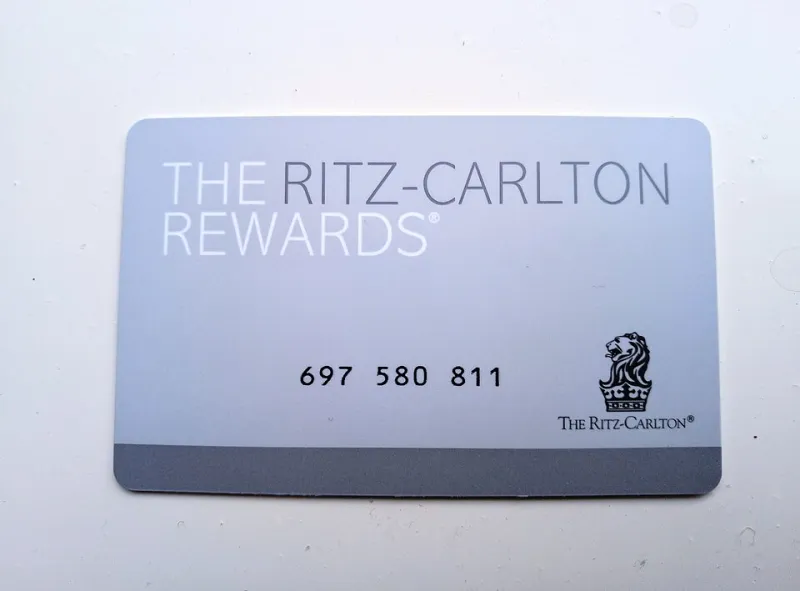
Photo: Amin, CC BY-SA 4.0, via Wikimedia Commons
Loyalty programs have become the default answer to a question many brands have not fully examined: why should a customer choose us again? The usual response is a points balance, a tiered status, and a birthday discount. These mechanics are easy to launch and easy to measure. They are also easy to copy. When every competitor offers points, the program stops being a differentiator and becomes a cost of entry.
The deeper problem is philosophical. Many loyalty programs treat loyalty as a behavior to be purchased rather than a relationship to be earned. The result is a carefully gamified system that can produce repeat transactions without producing genuine preference. A customer may collect points at one grocery chain and shop at another when the discount is better. That is not loyalty. It is arbitrage.
The Transactional Trap
Points programs are built on a simple exchange: perform a behavior, receive a reward. The logic is clean, but it trains customers to think in transactions. They learn to wait for double-points events, to split purchases across accounts, or to abandon a cart when a reward threshold is just out of reach. The program shapes behavior, but not necessarily the behavior the brand wants.
This is especially visible in the US market, where rewards saturation is high. Airline miles, credit card points, coffee shop stars, and grocery fuel discounts compete for the same mental space. Customers may belong to a dozen programs and feel loyal to none. The programs have created participation, not affection.
Gamification Is Not the Same as Belonging
Badges, streaks, and tiered status can be powerful tools. They tap into progress and achievement. But when gamification becomes the entire loyalty strategy, it can feel manipulative. A customer who is three purchases away from a reward may buy again, but the motivation is the reward, not the brand. Remove the reward, and the relationship often disappears with it.
Belonging is different. It comes from recognition, reliability, and shared values. A customer feels loyal when a brand remembers a preference, resolves a problem without a fight, or behaves consistently across channels. Those signals are harder to quantify than points, but they are more durable. They also cost less to sustain than an escalating rewards currency.
What Customers Actually Reward
Research and practical experience point to a few consistent drivers of lasting preference. The first is reduced effort. A brand that makes repeat purchases easier, remembers details, and avoids repeating questions earns trust. The second is fair treatment. Customers notice when a policy is applied with flexibility and when a support interaction feels human. The third is consistency. A brand that delivers the same quality across its website, app, store, and support channels feels dependable.
The fourth driver is values. Younger US consumers in particular say they care about how a company treats its employees, its data, and its community. That does not mean every brand must take a public stance on every issue. It means the brand should not contradict its stated values in its digital experience. A privacy-first message paired with aggressive tracking is a loyalty killer.
The Measurement Problem
Loyalty programs persist because they are measurable. Brands can report enrollment, redemption, and repeat purchase rates. Those metrics matter, but they can obscure the difference between compliance and commitment. A customer who redeems a coupon is not necessarily loyal. A customer who recommends a brand without a reward is.
A better measurement framework includes indicators such as repeat purchase without promotion, support resolution time, customer effort score, and share of wallet over time. These metrics are harder to game. They also force a more honest conversation about whether the program is creating value or simply buying behavior.
A More Honest Loyalty Strategy
This is not an argument against rewards. A well-designed program can be useful, especially when it simplifies the customer experience. The issue is when rewards become a substitute for the relationship. Brands should ask whether their program would still matter if the points disappeared. If the answer is no, the program is not building loyalty. It is renting it.
A stronger approach starts with the customer experience itself. Make the core product easy to use. Make support accessible. Make policies clear. Then use rewards to reinforce existing preference rather than manufacture it. Recognition can be simple: early access, a thoughtful thank-you, or a service recovery that exceeds expectations. These gestures feel personal because they are not generic currency.
The Loyalty Test
In 2026, customers have more information and more alternatives than ever. They can compare prices in seconds and switch brands with a tap. In that environment, loyalty cannot be bought with points alone. It has to be earned through repeated evidence that the brand respects the customer's time, data, and intelligence.
The loyalty program is not the relationship. It is, at best, a reminder of it. Brands that confuse the two may see short-term gains, but they will struggle to build the kind of preference that survives a better offer. The real loyalty test is simple: when the rewards stop, does the customer stay?